
the carer
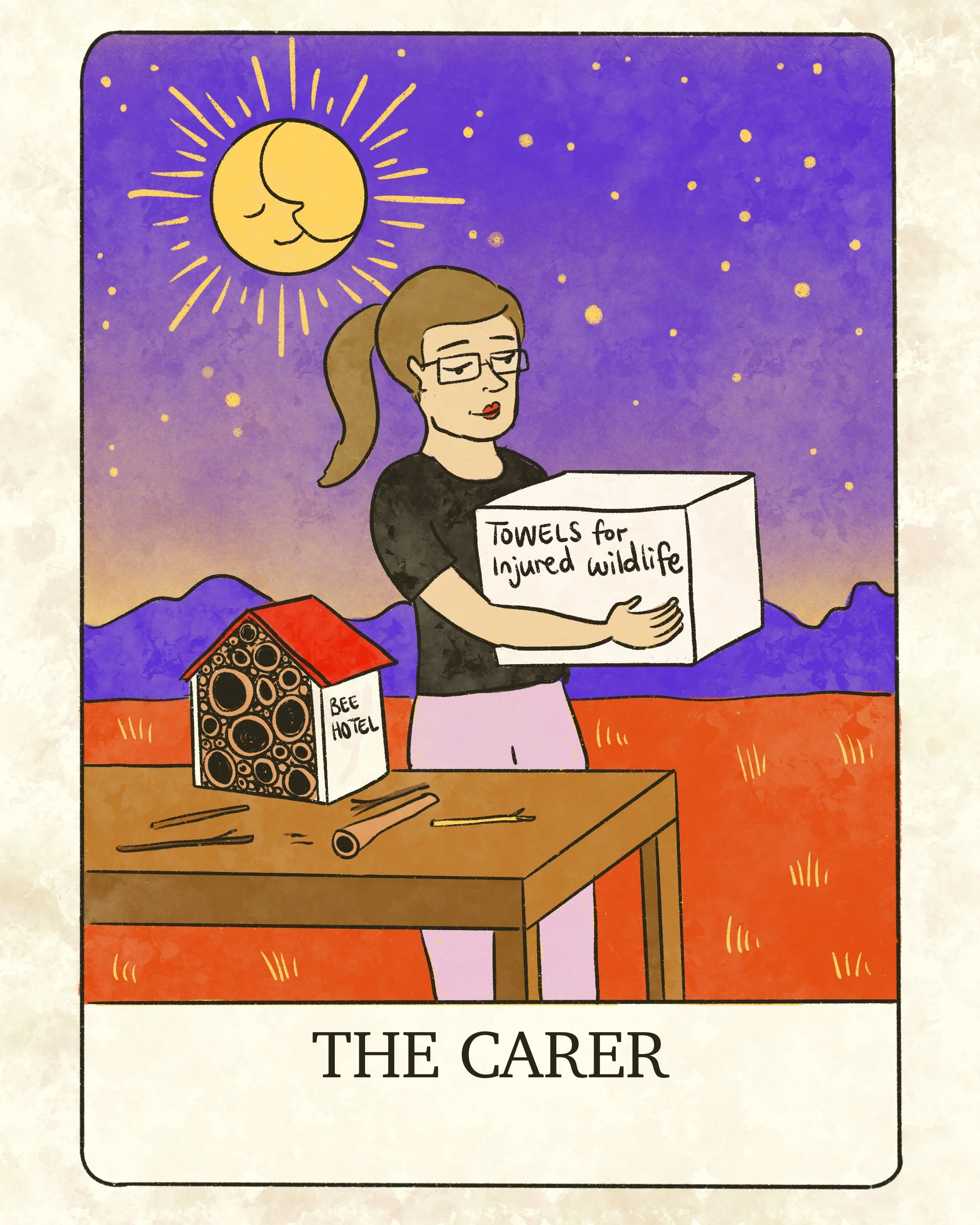
Illustrated card created by Jess Harwood. © Jess Harwood.
You want to be genuinely useful to animals, not just admire them from a distance. there’s several real, low-barrier ways into that, and it doesn't require becoming an emergency responder on day one.
People living in neighbourhoods with more birds around them reported meaningfully lower rates of depression, anxiety, and stress than those with less bird life nearby, even after accounting for other factors. You don't have to touch a single animal to get the benefit, just having them around is enough. Source: Cox et al., 2017, BioScience.
Worth Knowing:
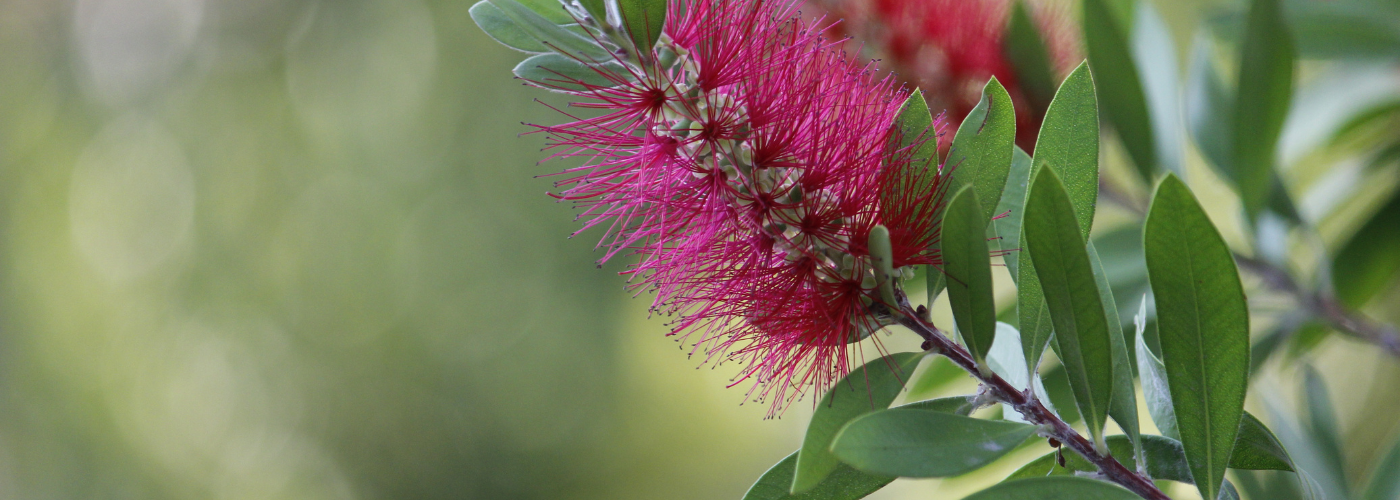
"We had rescued a sulphur-crested cockatoo that was sort of like a pet, because it had broken its wing."
- xname, xage, from victoria
Here's how to find your own way back outdoors:
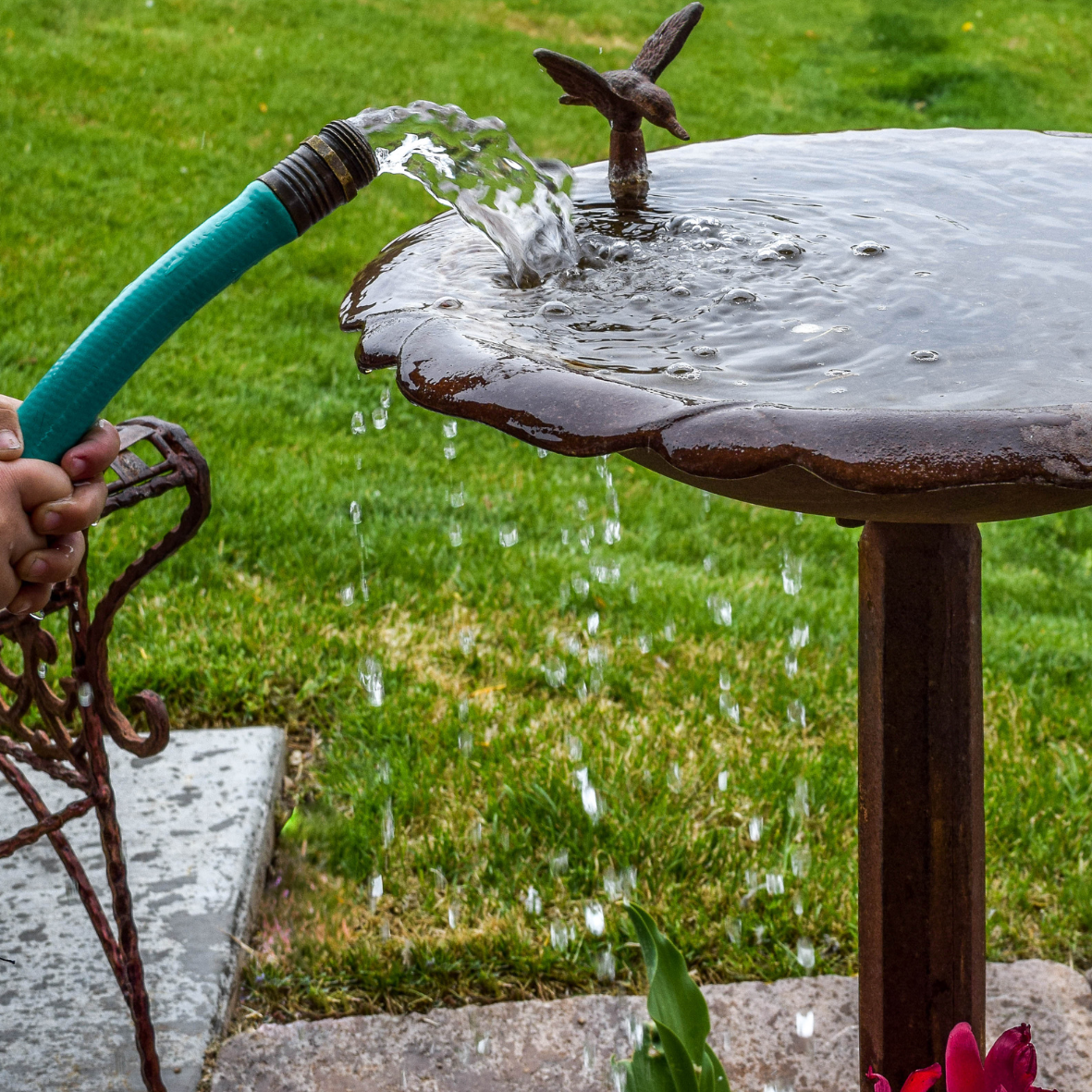
backyard habitat
Turn your own garden or balcony into genuine wildlife habitat, with no ongoing commitment.
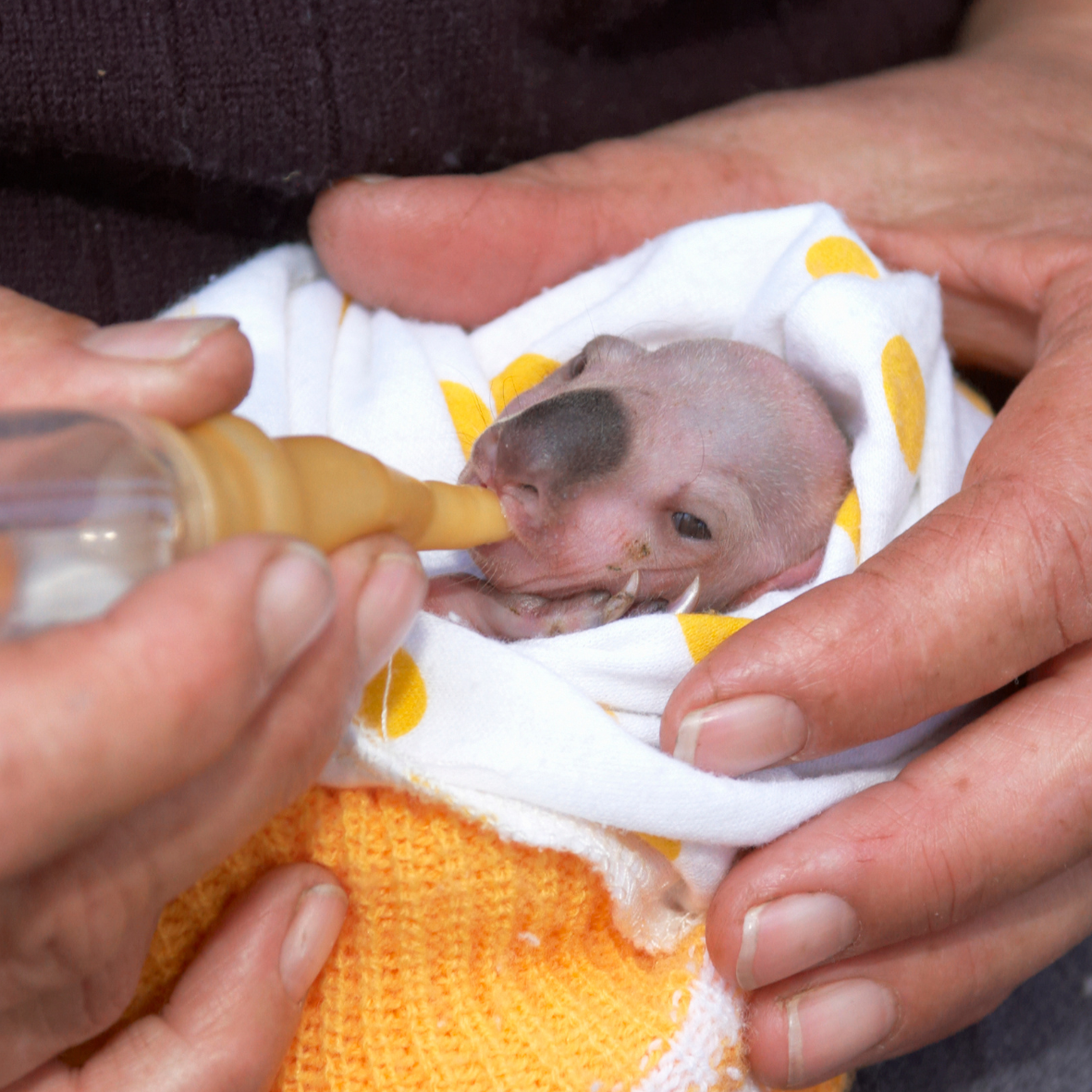
help the helpers
General volunteer roles at zoos and sanctuaries that don't involve direct animal handling, so no experience is needed to start. Also find out how you can help local shelters and wildlife rescue orgs.
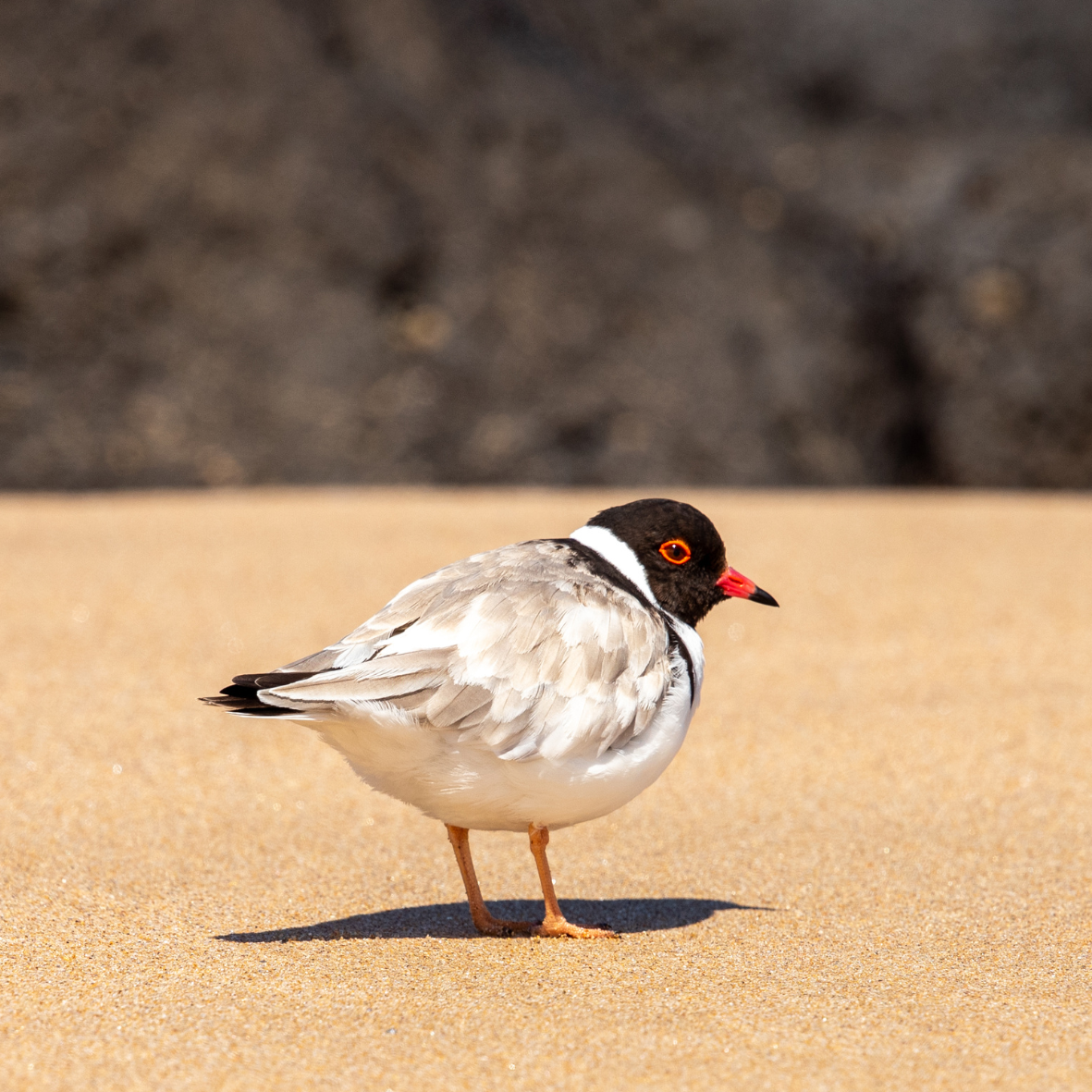
beach wardens
Monitor and help protect nesting shorebirds from a respectful distance, with training provided and no handling involved.
The research above is general, not advice about you specifically. It's here to show why time in nature is worth taking seriously, not to tell you what your body or mind needs. If you're managing a physical or mental health condition, it's worth checking with your doctor or care team before changing your routine — they know your situation, this page doesn't.