
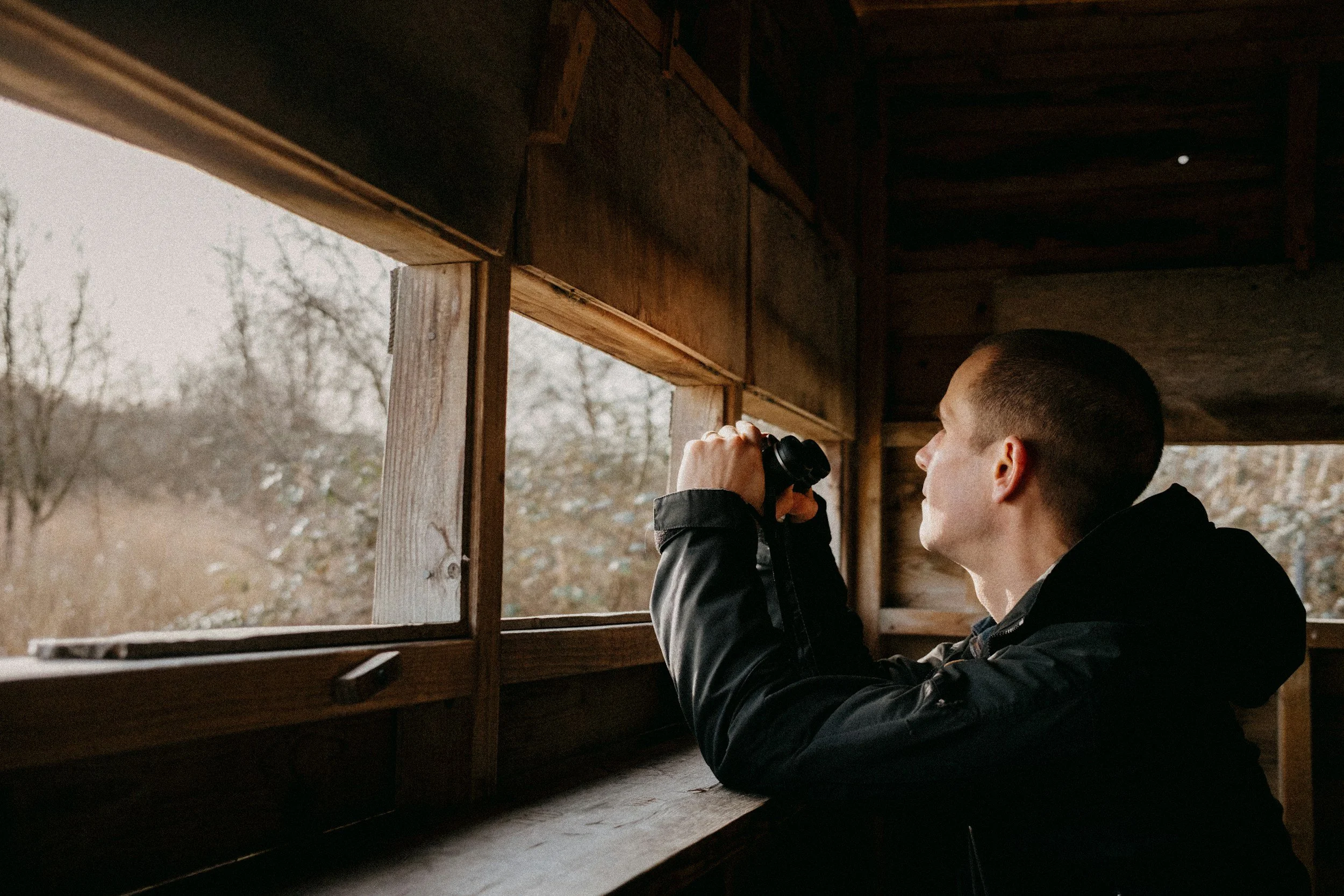
citizen science
There's a genuine treasure-hunt appeal to it: you're out looking for something specific, a frog call, a particular bird, a patch of coral, and the moment you spot it and log it, it stops being just a nice thing you noticed and becomes real data, used by actual researchers and conservation groups. It's active and social, run as a handful of set days each year rather than an ongoing commitment, and it gives a day outside a genuine sense of purpose beyond just being outside.
-
An annual, free, national citizen-science event held over four days each spring (usually late October), where communities record as much local wildlife as possible using the iNaturalist app, everything from insects to fungi to birds. Organised as local, in-person group meetups (often through Landcare or council groups), open to complete beginners, no experience needed beyond curiosity and a phone camera. Visit https://www.greatsouthernbioblitz.org
-
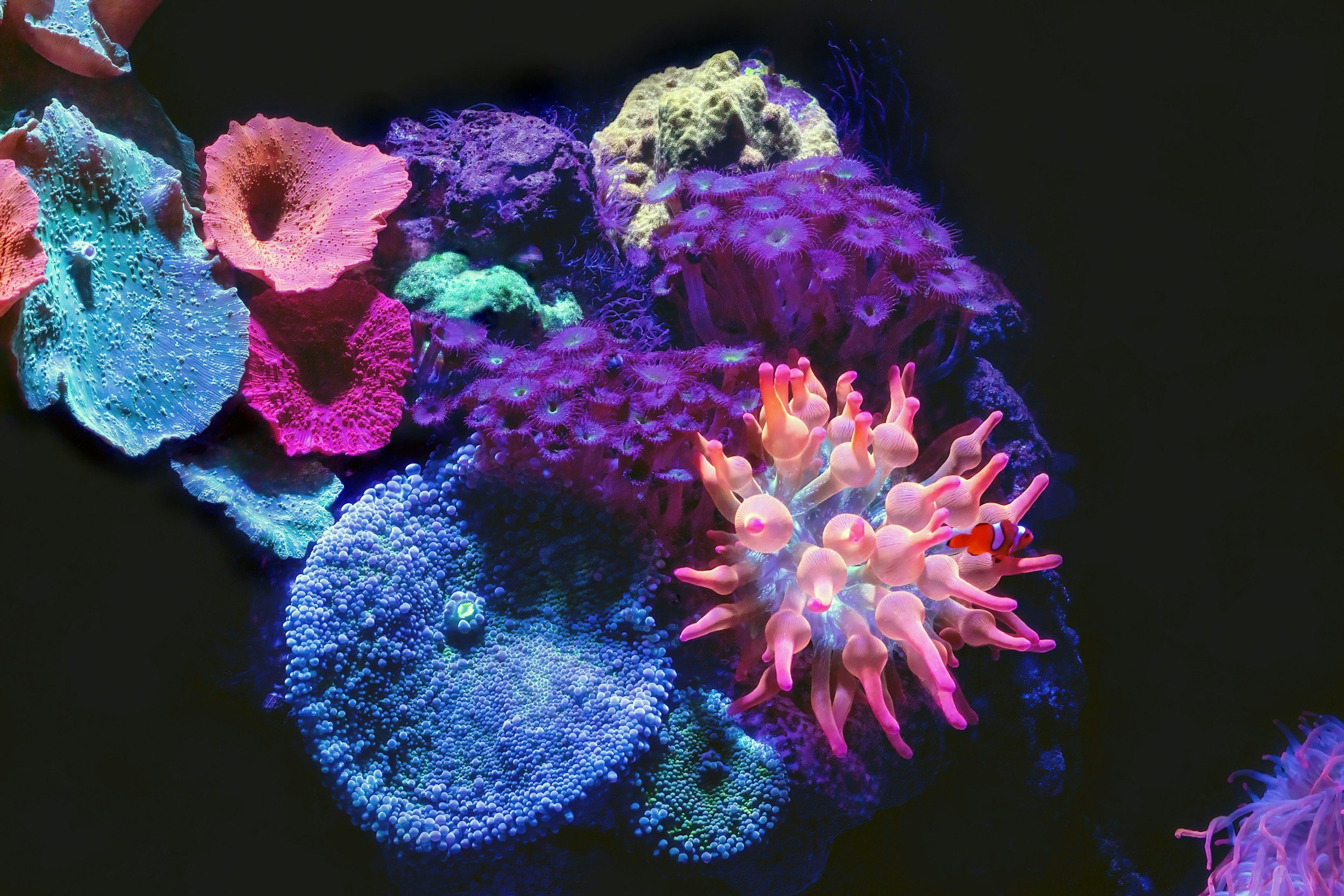
If you're already visiting, diving, or boating on the Great Barrier Reef between October and December, you can join the on-water side of the Census itself, tourism operators, dive boats, and everyday visitors all contribute survey photos during this window, no marine science background needed. This is different from the online photo-analysis side of the Census, this is the actual on-Reef data collection, genuinely active and only relevant if you're in the area at the right time of year. Visit https://citizensgbr.org/signup
-
Spot an invasive animal, an introduced fox, feral cat, wild deer, or rabbit, and report it on the spot through the free FeralScan app or website. No event to attend, no ongoing commitment, just log it whenever you happen to see one. Your report feeds into a national map used to plan real pest control programs. Visit https://www.feralscan.org.au
-
20 minutes a year during annual count week, then year-round via the Birdata app. Visit https://aussiebirdcount.org.au
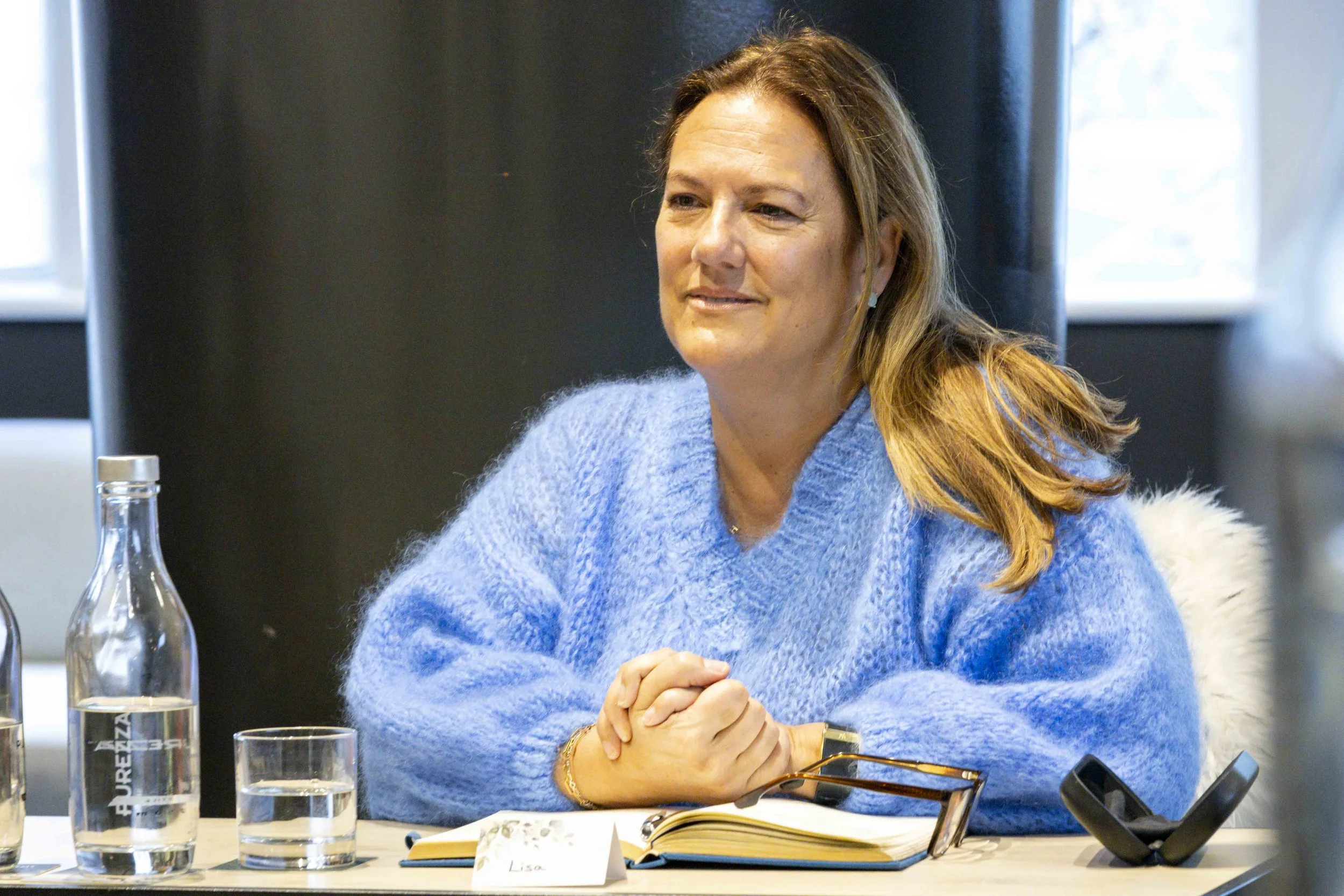
"When I was 10 I was in the UK, a different landscape to here. We had a pond in the backyard and I had a micro obsession - tadpoles, frogs, newts really, getting into monitoring them, and looking at how they would form tadpoles and things.
– “Lisa, 54, from New South Wales