
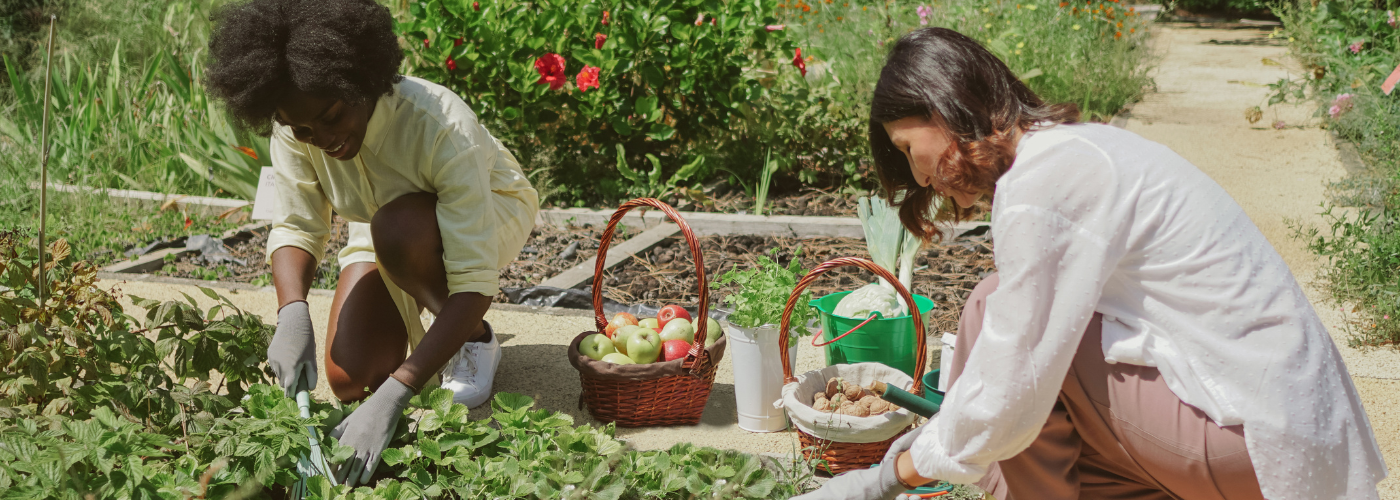
There’s thought to be over 800 community gardens and nurseries in Australia. They’re great places to grow with others, learn, and share produce too. Note that many gardens require membership fees to help maintain services such as shared tools, however, many are very reasonably priced, even just $10 a year for full access and a range of events. There are websites and associations available to find these gardens, but often the best way is to simply search online for your suburb name + community garden and see what pops up.
community gardens and nurseries
-
A national directory of over 800 community gardens. Visit https://communitygarden.org.au/directory
-
A national umbrella body with active local groups everywhere, many running "permablitz" days: working bees where volunteers turn up to help design and build out someone's edible garden in a single session, then move to the next member's place next time. Rotating locations and hands-on building make this a genuinely different texture from a static garden plot. Visit https://permacultureaustralia.org.au/listing-category/local-group/
-
Organic, chemical-free, volunteer-run, on land reserved for public use since 1881, with over 140 plots. Popular enough to need a waitlist, join as a "Friend of Veg Out" first. Visit https://www.vegout.org.au
-
Running over 10 years, growing almost 200 varieties of edible plants. Rent a plot, join a working bee, or help with admin, several ways in. Visit https://www.janestgarden.org.au
-
Two things in one: a free, open-access food garden anyone can pick from any day of the week, plus an adjacent community garden with rented plots for those who want their own patch. A monthly harvest swap runs on the third Saturday, alongside regular working bees and workshops. Visit https://www.facebook.com/thebasinfoodisfreecommunitygarden/
-
Nearly three decades old, a former industrial site turned half-hectare green space, open to everyone most weekdays and Saturday mornings. Visit https://perthcityfarm.org.au
-
In the Adelaide Park Lands, opened in 2010 after years of resident lobbying, still active and community-run. The City of Adelaide's general gardens page has details on this and other community gardening options across Adelaide and North Adelaide. Visit https://www.cityofadelaide.com.au/resident/home-management/gardens/
-
Weekly Friday sessions, over 250,000 seedlings grown by volunteers since 2005. No experience necessary. Visit https://www.lanecove.nsw.gov.au/Environment-Sustainability/Community-Nursery
-
Two nurseries, Marrickville and Annandale, where volunteers collect locally sourced seed and grow plants that go straight into local Bushcare and bushland restoration projects. Visit https://www.innerwest.nsw.gov.au/trees-gardens-and-wildlife/community-native-plant-nurseries
-
A long-running indigenous plant nursery for Melbourne's eastern suburbs, open Tuesday and Wednesday mornings plus several Saturdays a year, run by a dedicated volunteer base. Visit https://www.greenlinkboxhill.org
-
A Brisbane volunteer-run native nursery supplying affordable local tubestock, open three mornings a week, with morning tea provided. Visit https://bulimbacreek.org.au/nursery/
-
Most capital cities and many regional councils run their own community nursery on a similar model, volunteers meeting weekly or fortnightly to sow seeds, pot up seedlings, and do general nursery upkeep. No experience necessary is the standard line at every one of these. Search your own council plus "community nursery" or "indigenous nursery" to find your nearest.
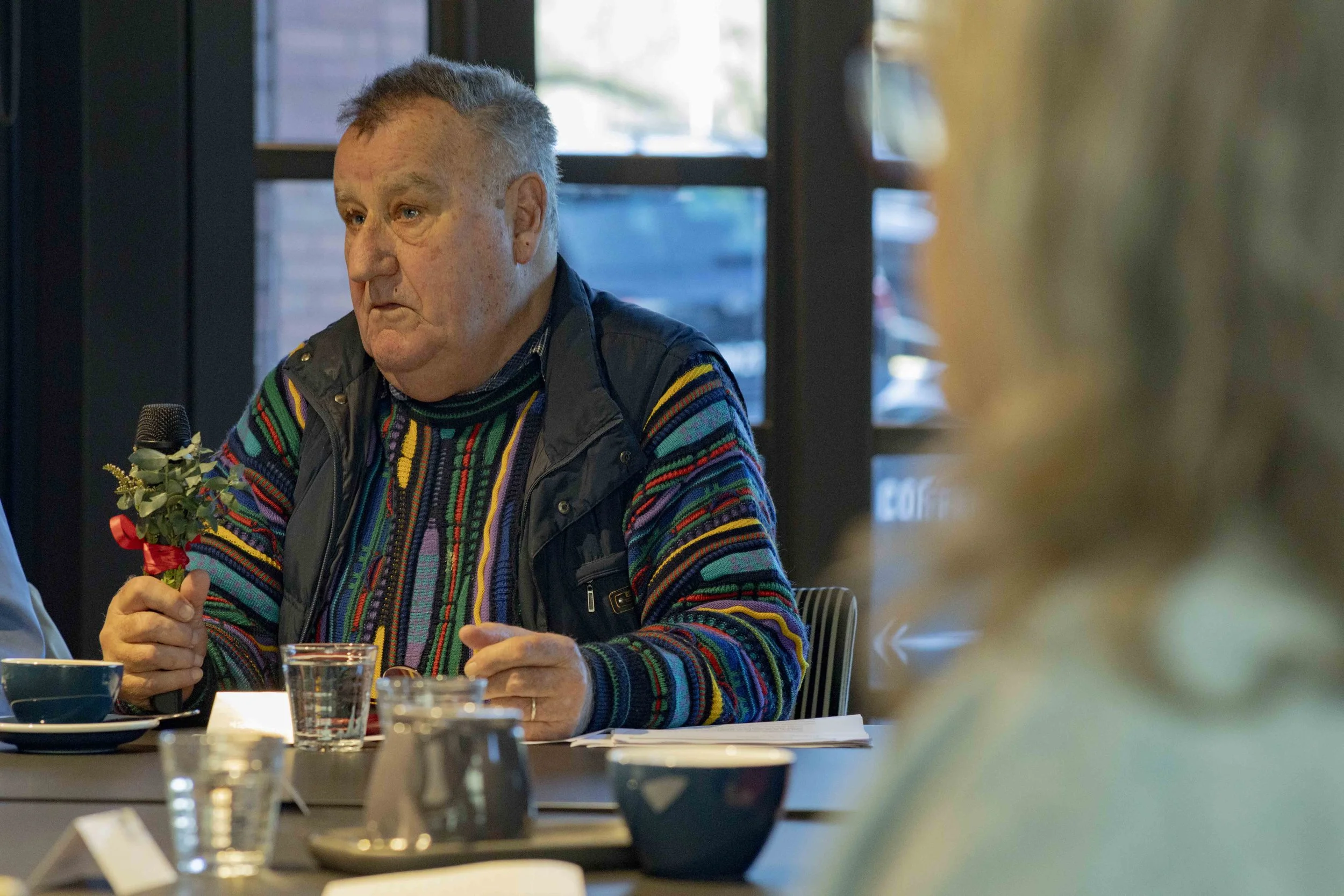
"And what I do these days is running Indigenous plant nurseries, which is really interesting in itself in terms of educating the public in a particular municipality and informing the public in terms of what we're doing.So what we're looking at…is to try and look at other species that can cope with climate change. And that all comes back to where I originally came from."
– Michael, 73, from Victoria