
The childhood that grew from trees
Stories from a generation who grew up with muddy feet, star-speckled nights, and trees as playgrounds
this blog post was written by guest author natalie kyriacou oam
Every child is taught how to live their one and only life. Memories of the generation before imprint on childhoods, passed down in stories and habits and in the things that need no explaining because they are simply there.
Every child becomes a keeper of those memories too, carrying sounds and smells and tastes and small details of a world that shaped the people who came before them.
But sometimes these lessons are lost in the busyness we have created, in the concrete offices and the paved roads and the fences that were erected between families and cultures and communities.
And when that happens, you need stories. And there are always stories to be told.
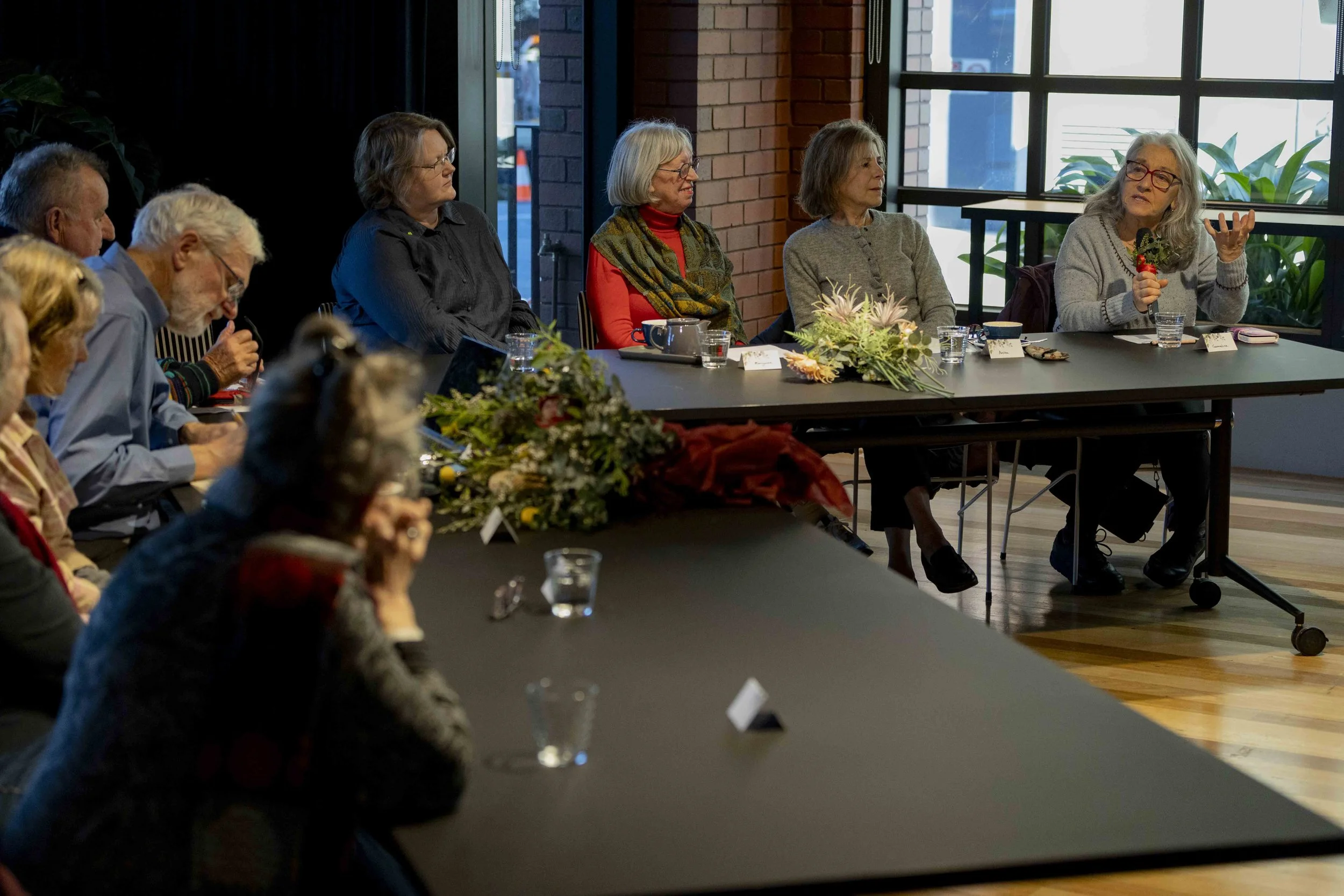
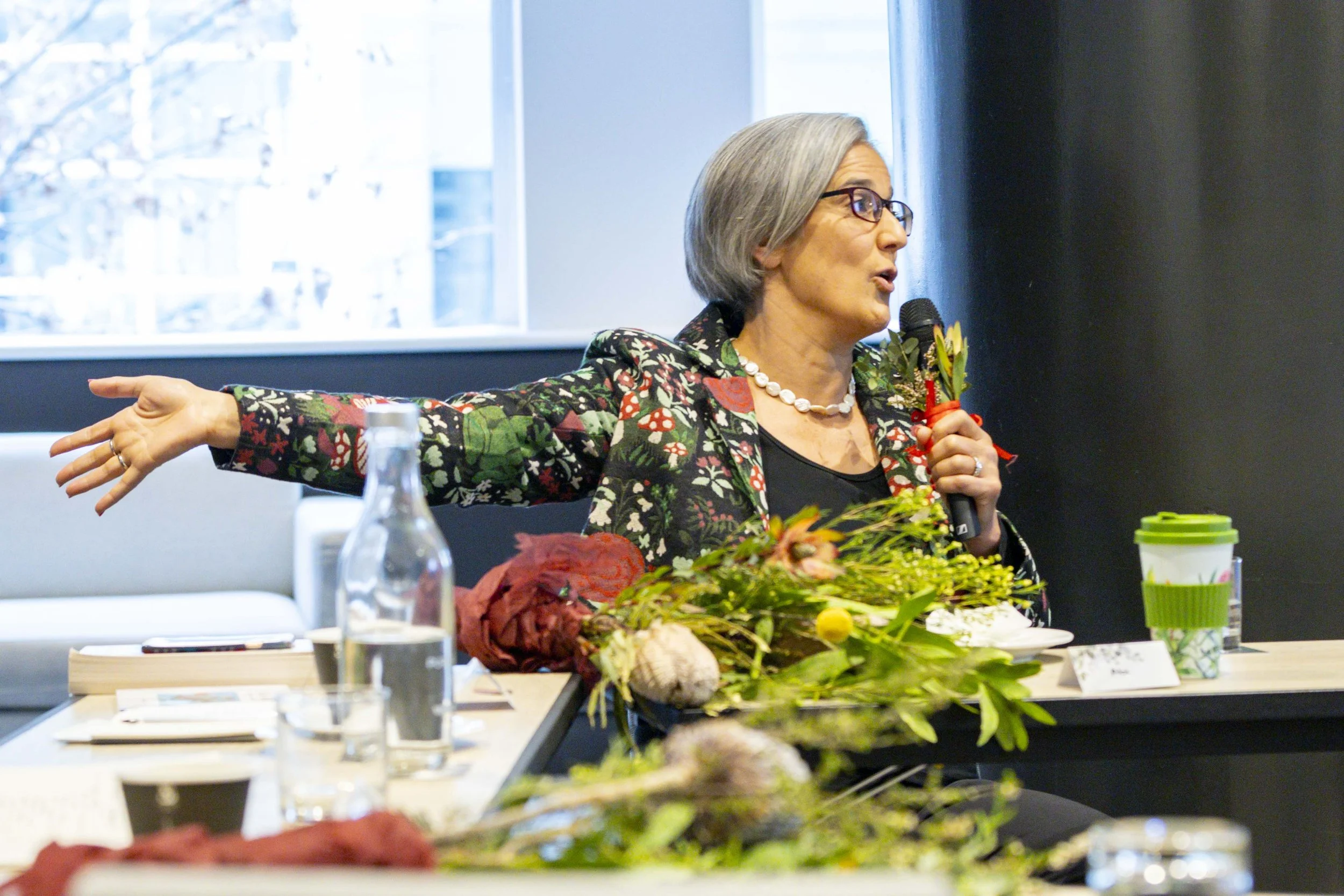
Earlier this year, a group of Australians who were born as early as the 1940s, gathered in a group to share their childhood stories and memories, gifting us with a glimpse of a world that feels lost to time.
These Australians provided a picture of a way of life where nature and community were woven into the fabric of each day.
Here are their memories.
They lived by the seasons because the world changed around them and they were paying attention. They remembered the sound of cicadas was deafening. They remembered that when the kookaburras sang, they knew the rain would be coming soon. They remembered the sound of rain on tin roofs and the blackest nights that were painted with the brightest stars.
They remembered the feeling of grass beneath their feet, and the trees their parents taught them to recognise and the animals that lived around their home. They remembered the insects that were everywhere. They were annoying back then. But now they miss them.
For some, there was no electricity, no tank water, no sewage, but there was family gathered outside on the porch eating dinner together by candlelight.
As children, they walked everywhere, and often ran. They remembered red soils and wild Country. That the doors to their homes would open at dawn, and wouldn’t open again until well into nightfall.
They remembered gathering together with friends and families, around oceans and pools and campsites and trees, from dawn until dusk.
As children, they shook trees until plump fruit fell from the branches, and then they would haul that fruit inside and watch as their elders would transform it into jams and tarts and juices.
Childhood was grazed knees and bruised shins and muddy hands and a smiling face. They remembered the spindly legs that could run vast distances, and dirty feet that would be running along riverbanks to try to catch tadpoles. They remembered birds were everywhere. King parrots and magpies and kookaburras. And so many gum trees. Everyone remembered the trees. Trees were the centre of life. They were ancient pillars that stood tall and wise while kids would run in circles around them. They were the places you would sit under to escape the scorching sun, or to tell secrets, or collect acorns, or to watch the world or to braid flowers into necklaces.
They remembered the smell of grass and the feeling of it beneath their feet. They remembered the sound of someone calling them inside for dinner. And of days spent feeding the chickens and milking the cows and tending to the garden.
For some, horse and cart delivered milk in the mornings and children would race each other across the dirt street to collect the manure so they could fertilise their gardens with it. Horse manure was good for growing strawberries, they said.
They remember campfires and possums on the roof and the dogs and the wombats and wallabies and koalas and goannas and blue tongue lizards and snakes. They were taught not to be afraid of snakes, only mindful. Just to stomp and yell and sing when you see a snake.
Sometimes they slept in swags under the stars. Sometimes they got chased by dogs. Sometimes they were stung by bees or bitten by ants.
They remembered tractors that were stuck in mud and rolling machines that would roll oats for breakfast in the morning. They remembered rock pools and oceans and falling into pools and watching octopus and giant schools of fish. They remembered yabbies and long grass and stories of sharks and the feeling of fear but also the feeling of wonder that would take them every day. Because every day was an adventure.
These Australians spoke of reading the surf and reading the sky and listening to nature. They spoke of the configurations and patterns inside tree hollows.
They spoke of magic.
This was a childhood that was stitched together from thousands of tiny, unremarkable moments that somehow became beautiful and extraordinary.
This was a childhood where the world was still large enough to surprise you, where there were trees whose names you knew and birds whose calls you recognised and places that belonged to you because you spent so much time there.
This was a childhood where you were allowed to be bored long enough to discover something, where you would go outside because there was nothing else to do inside, and you would return hours later with dirt beneath your fingernails and a new story that you would later tell with your eyes lit up and your hands gesturing wildly.
This was the Australia that shaped the children that have now grown into adults.
If you want to find your own way back into that kind of noticing, the RESET quiz is a place to start.
This is the unceded land and seas of the world’s oldest continuous living cultures, Aboriginal and Torres Strait Islander people. We acknowledge the Traditional Custodians of Country where these stories were shared. We pay our respects to Elders past and present.
This always was, always will be, Aboriginal land.