
the guardian
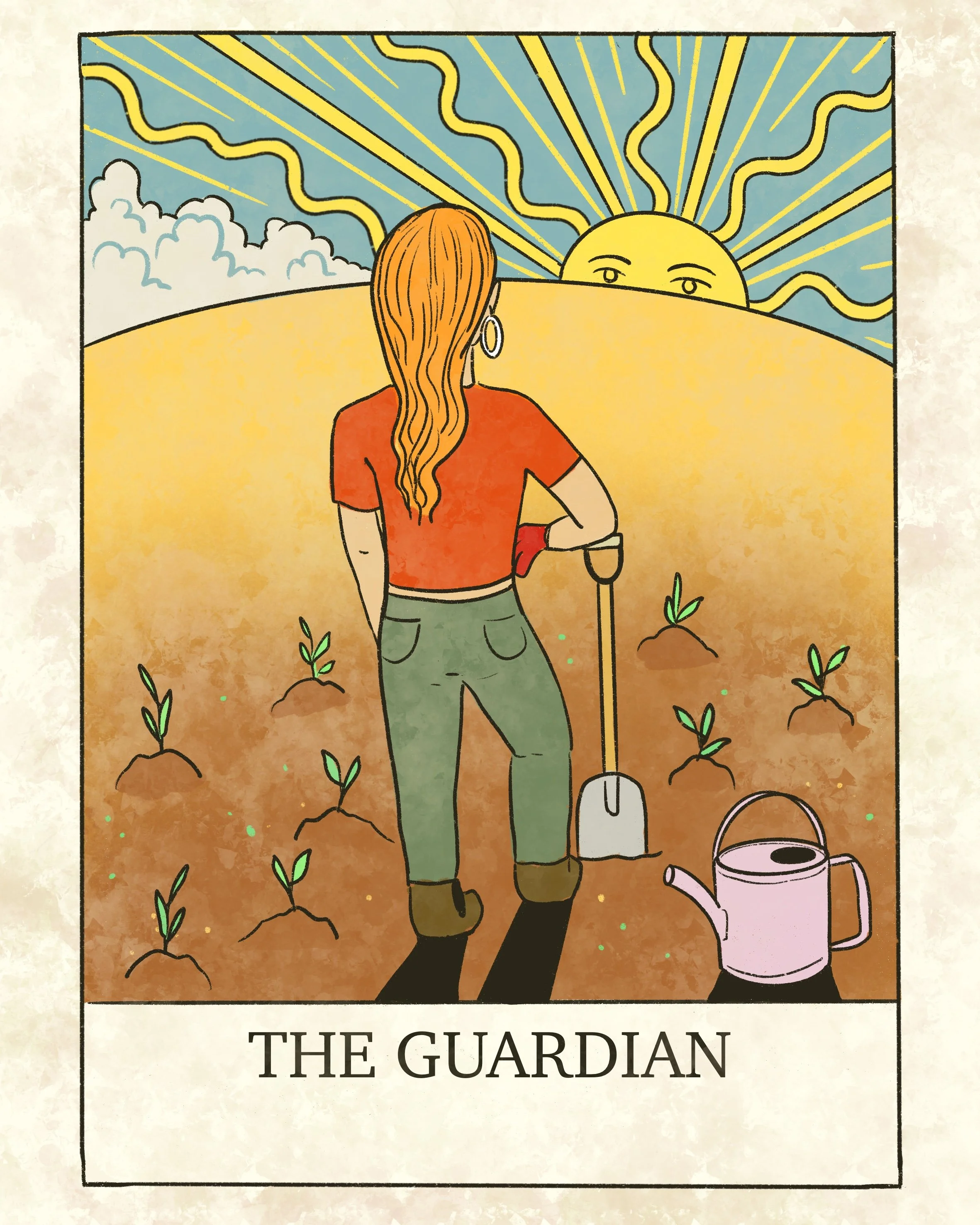
Illustrated card created by Jess Harwood. © Jess Harwood.
You want to actually do something and see a visible result by the end of the day, alongside other people, with nothing ongoing to sign up for.
In a controlled study, people who spent time picking up litter on a beach rated the experience as more meaningful than either walking the same beach or exploring rock pools nearby, even though it scored lower on how restful it felt. Source: Wyles, Pahl, Holland & Thompson, 2017, Environment and Behavior.
Worth Knowing:
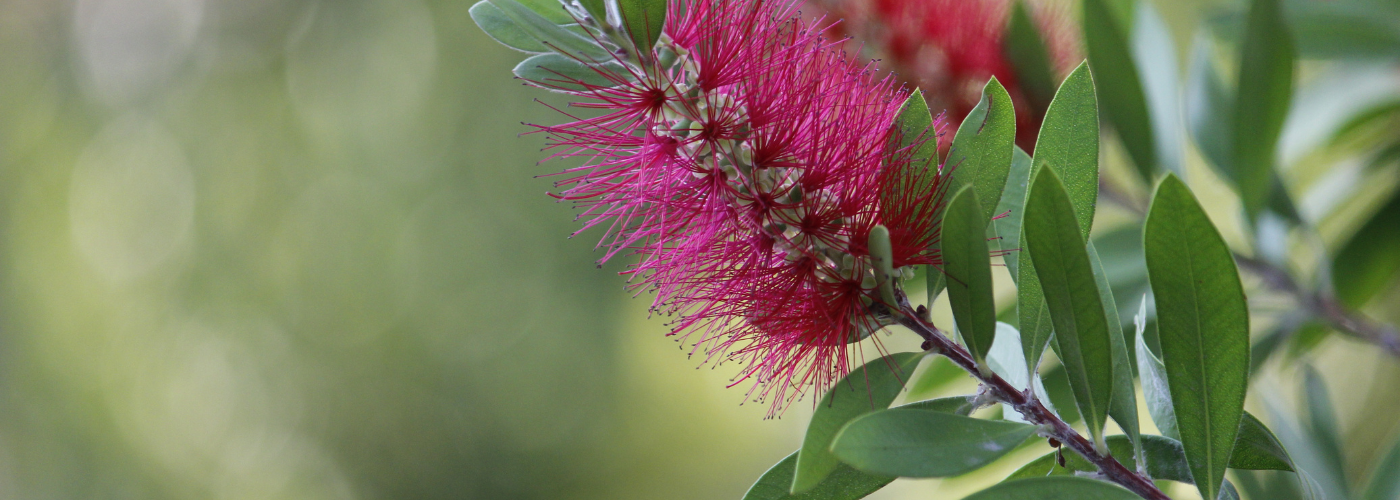
"We were out with friends and we'd often see rubbish. And I think we just had an instinctive desire: isn't that [rubbish] horrible? Let's clean it up."
- ken, 73, from victoria

Here's how to find your own way back outdoors:
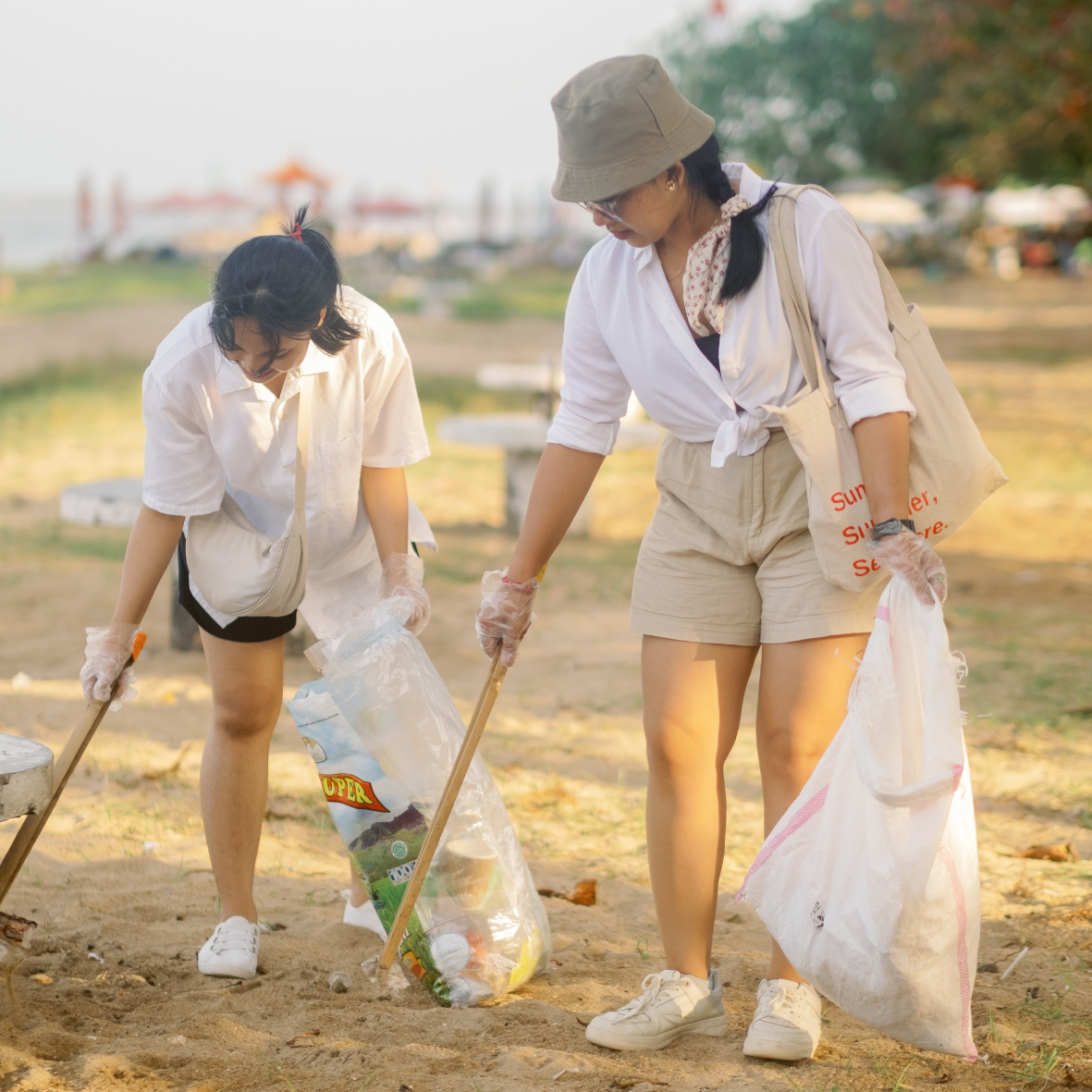
Local groups for 17 to ~30 year olds running cleanups, plantings, and citizen science together, with a genuine sense of crew.

Citizen-science events, from a national wildlife BioBlitz to reef surveys, most are active and social rather than sit-still noticing, genuinely one-off.

One-off beach and waterway cleanups anyone can join, no ongoing commitment, just a visible difference by the end of the day.
The research above is general, not advice about you specifically. It's here to show why time in nature is worth taking seriously, not to tell you what your body or mind needs. If you're managing a physical or mental health condition, it's worth checking with your doctor or care team before changing your routine — they know your situation, this page doesn't.